
Hamilton climate
The escarpment creates distinct micro-climates: humid lower city, drier upper Mountain, cold-air Dundas valley. Side of the escarpment dictates the plan.
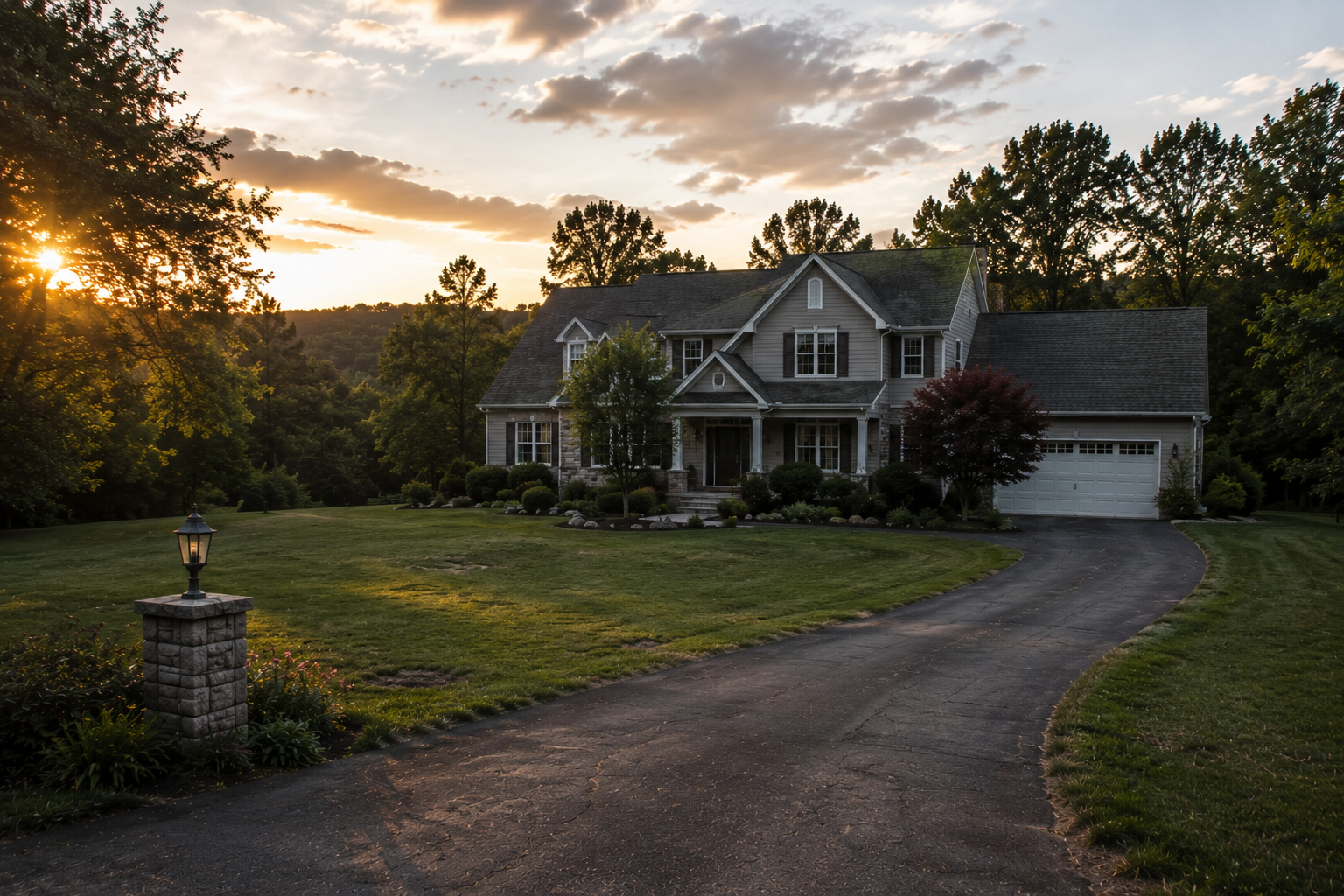
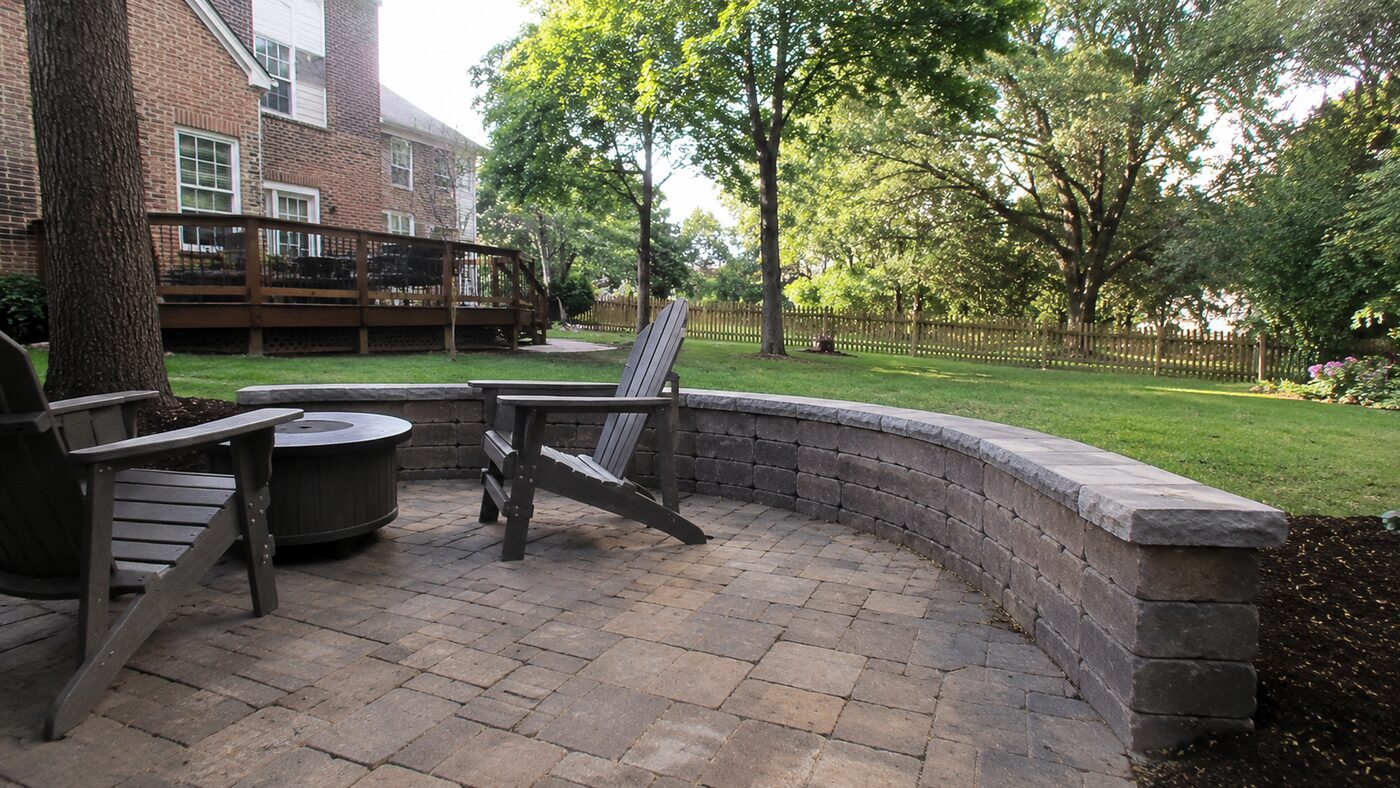
Hamilton properties almost always come with a topography conversation. The escarpment runs through the city, so retaining and grade work shows up on a lot of our quotes here.
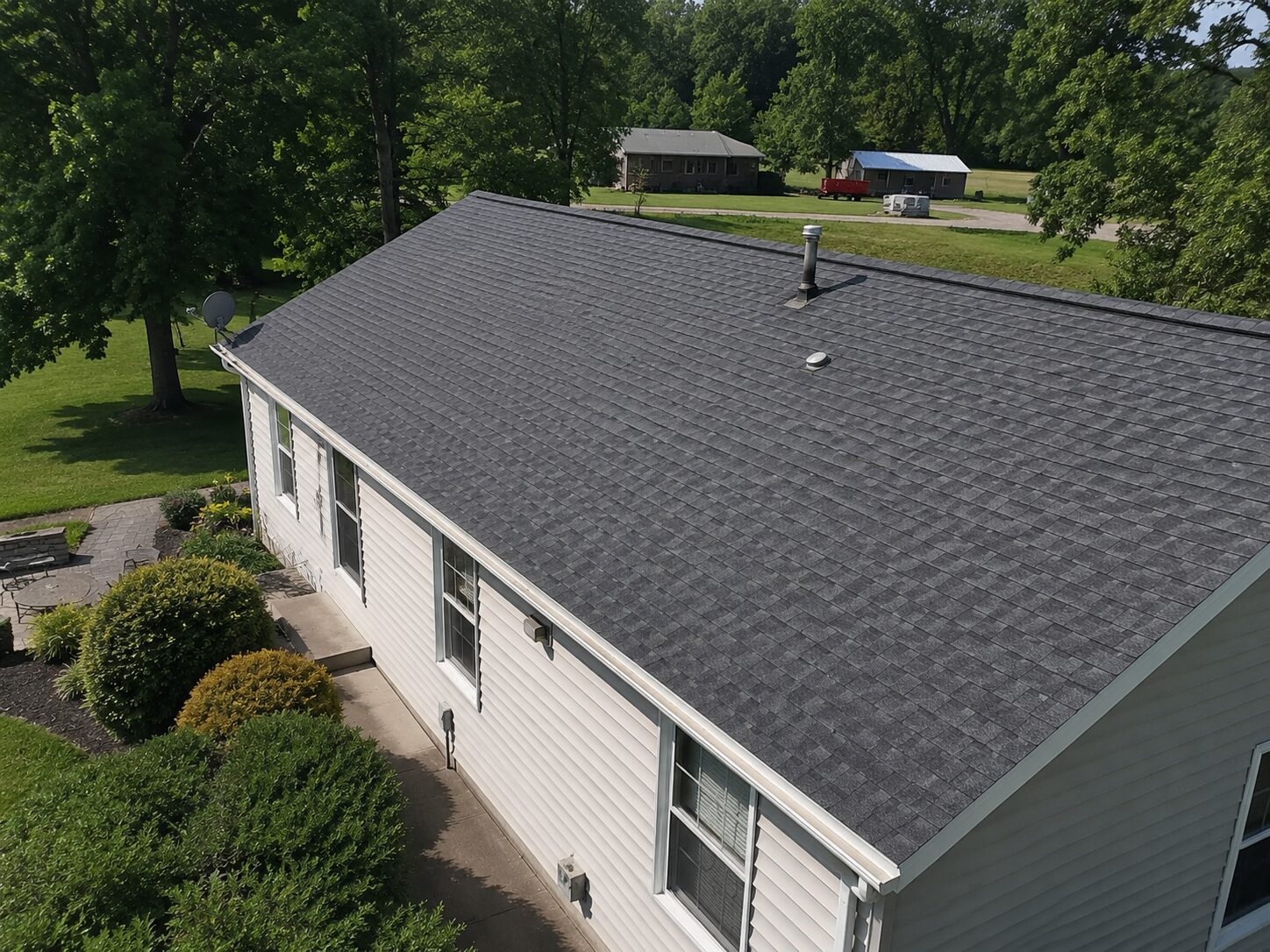
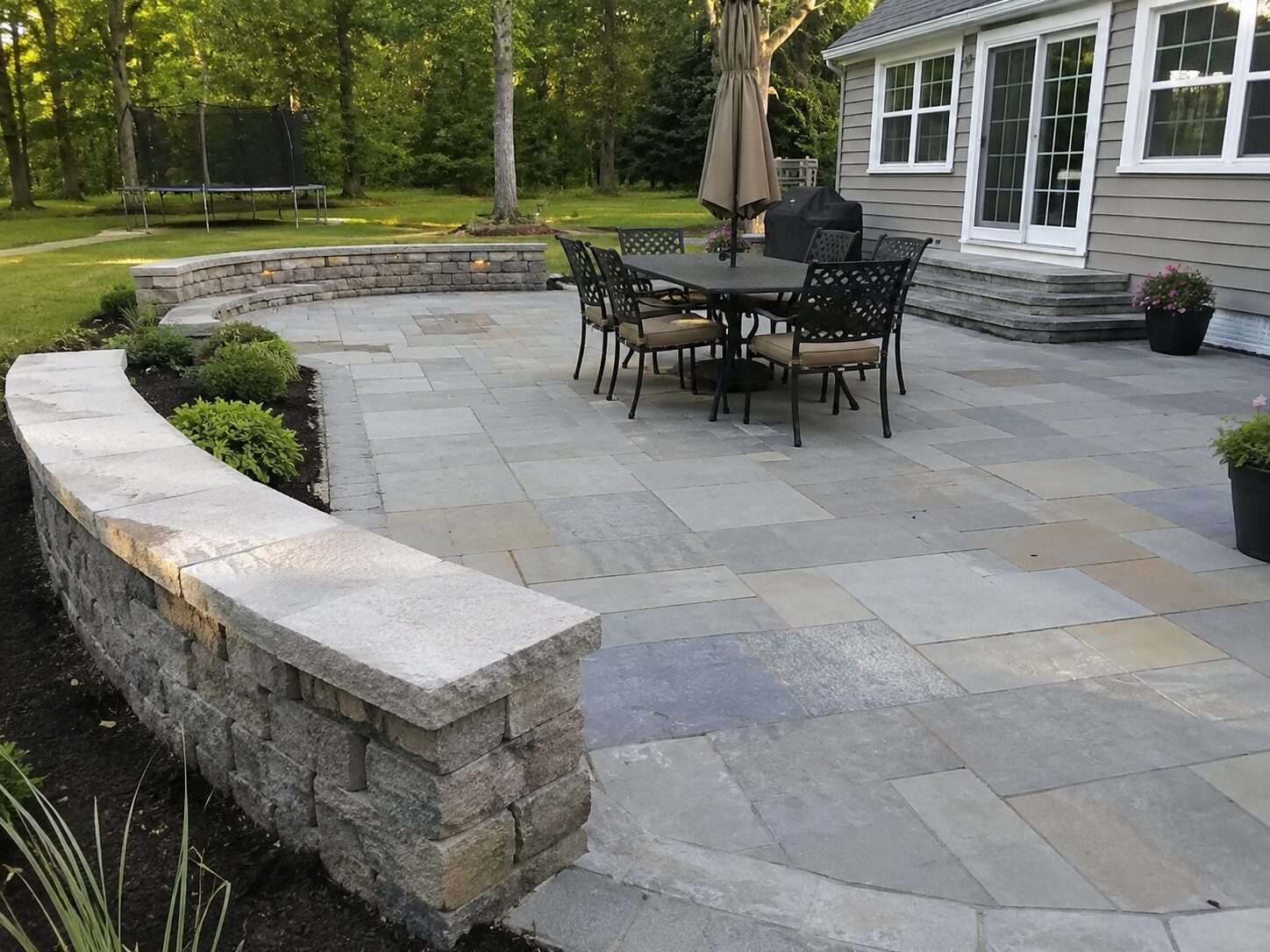
Hamilton properties almost always come with a topography conversation.
The escarpment creates distinct micro-climates: humid lower city, drier upper Mountain, cold-air Dundas valley. Side of the escarpment dictates the plan.
Housing varies widely, but nearly every lot sits on or near a slope — retaining, drainage and base depth are recurring conversations.
Real words from real clients.
The landscaper NorthStone matched us with transformed our tired North York backyard into something we actually want to spend time in. Honest pricing, sharp eye for detail, and the patio stonework is flawless.
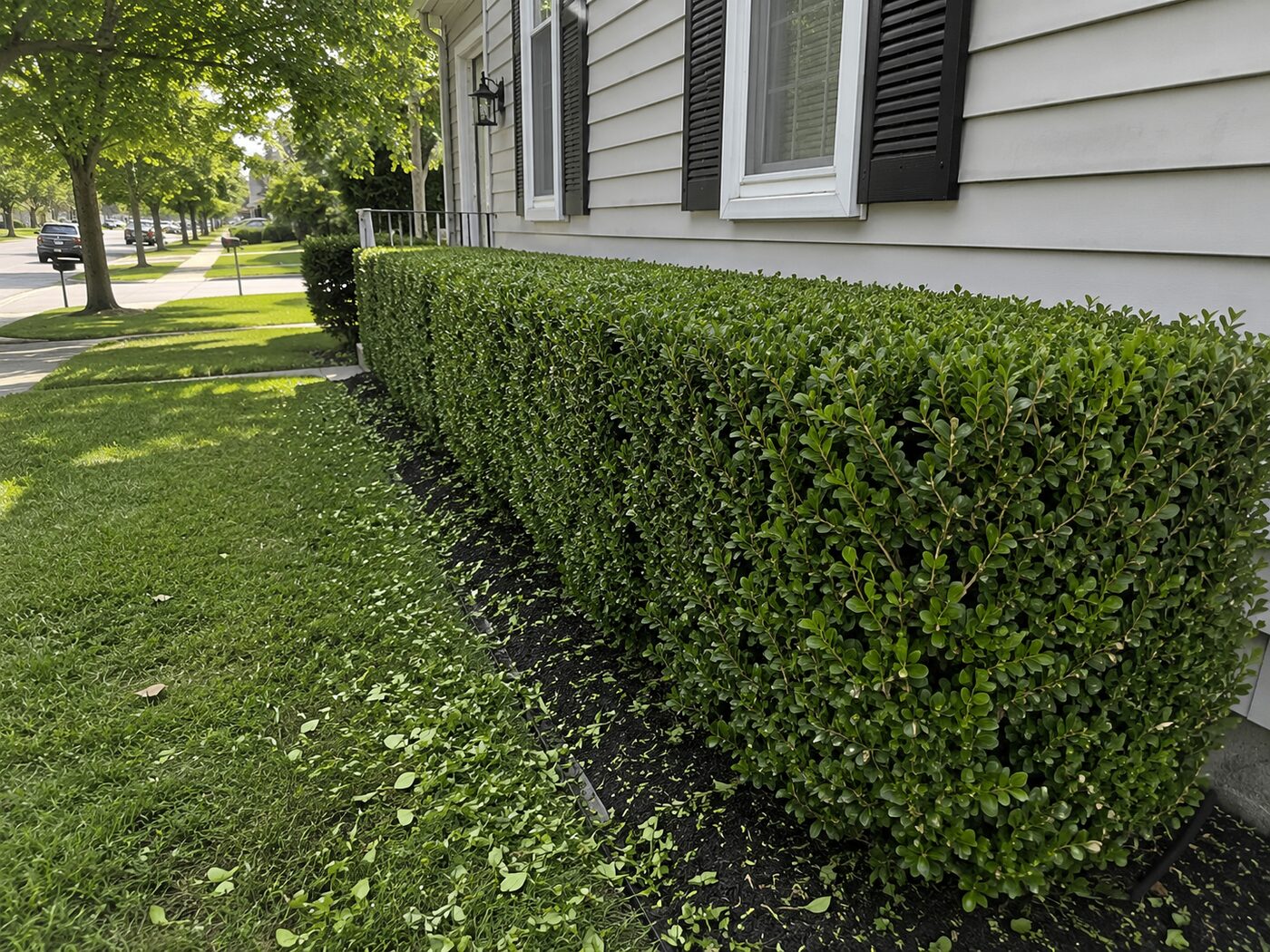
Booked a local pro through NorthStone for hedge trimming and lawn cutting and they exceeded every expectation. Showed up on time, cleaned up better than they found it, and the hedges look architectural.
The landscaping crew's roots show in everything they do — proud, careful, and genuinely kind. They patched my deck, cleaned the roof, and stayed late to make sure it was perfect.
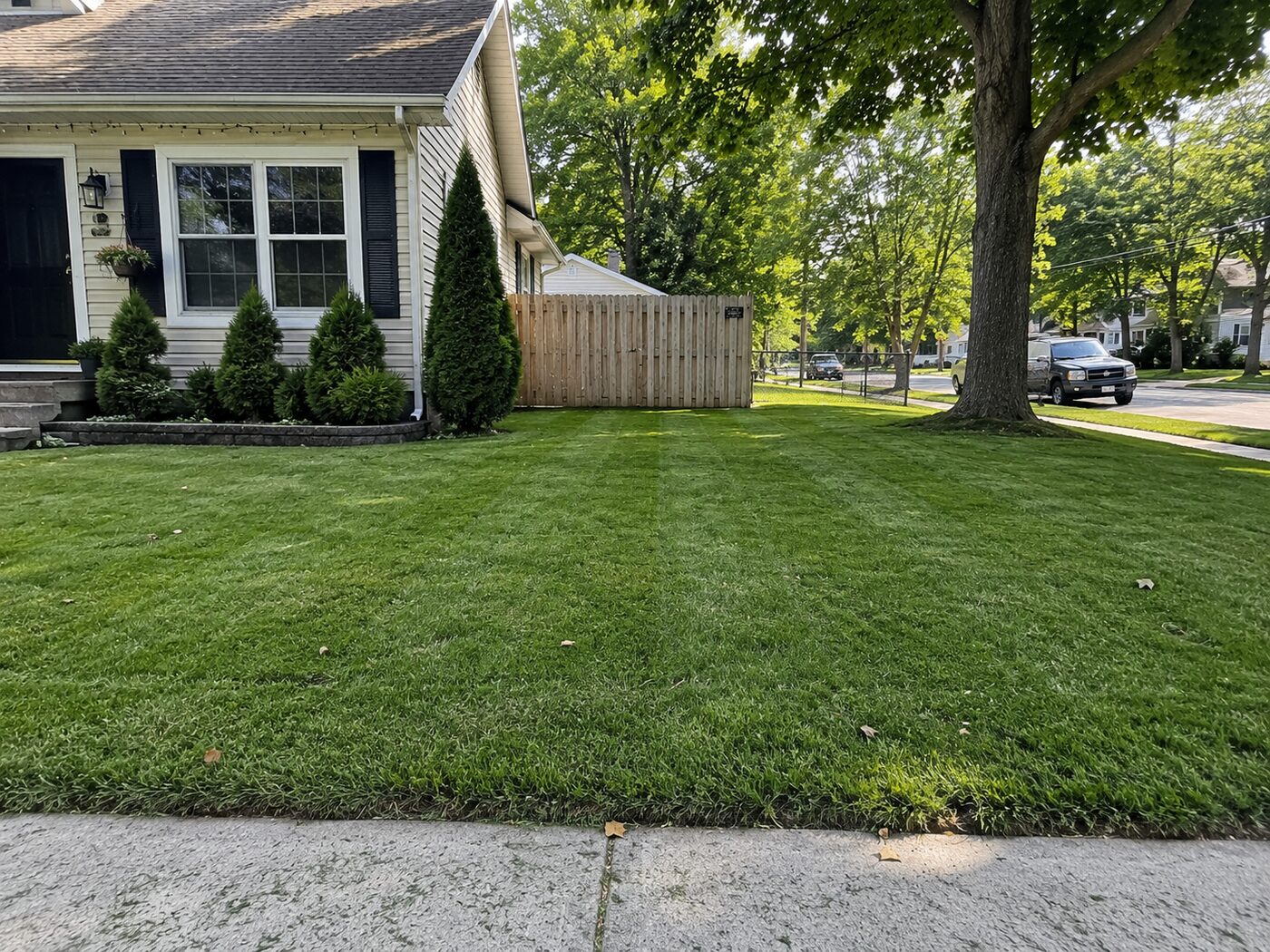
Hired a local landscaping pro through NorthStone for a full spring clean-up in Etobicoke. The lawn looks like a fairway and they took the time to walk me through ongoing care. Best decision we made this year.
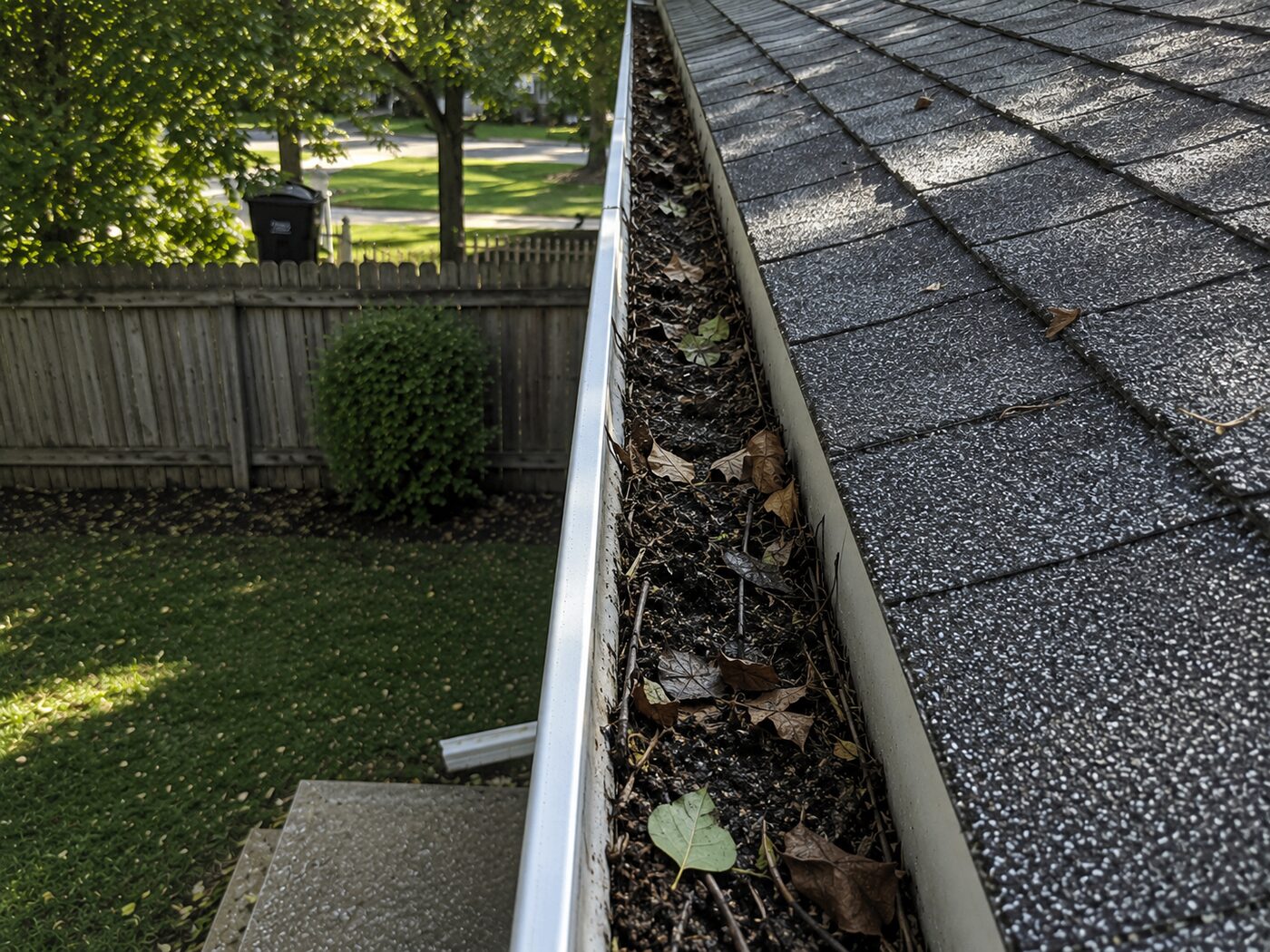
Patio cleaning and gutter work — the local pro NorthStone connected us with handled it all in a single visit. Fair quote, no upsell, and they actually called the next day to make sure everything held up.
I was nervous hiring online but the NorthStone story sold me, and the work the matched crew delivered sealed it. New sod, fresh mulch, and a tiny stone border that completely changed the front yard.
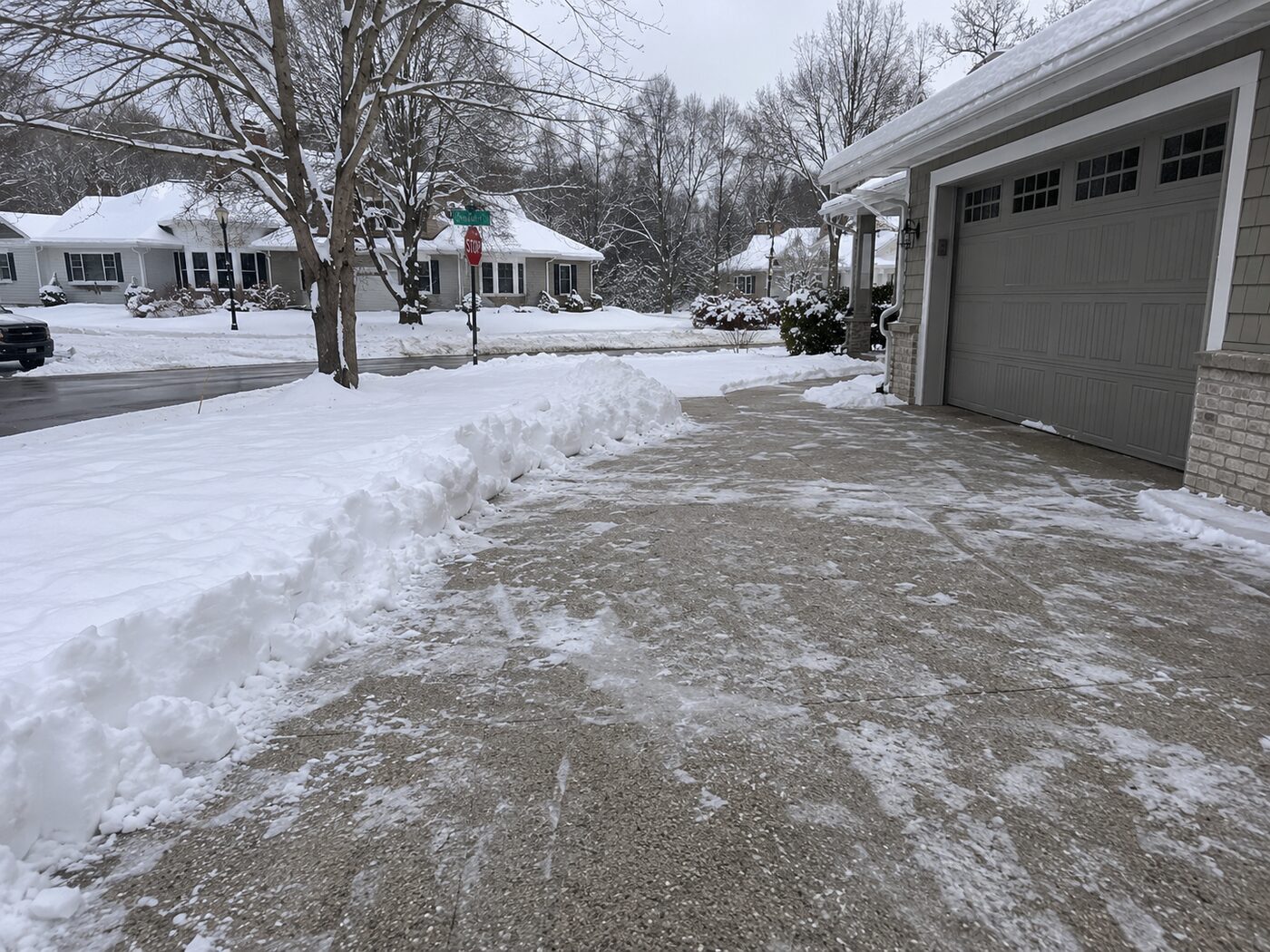
A snow removal contract turned into year-round service because the landscaping pro NorthStone matched us with is simply that reliable. Communication is fast, crew is respectful, results speak for themselves.
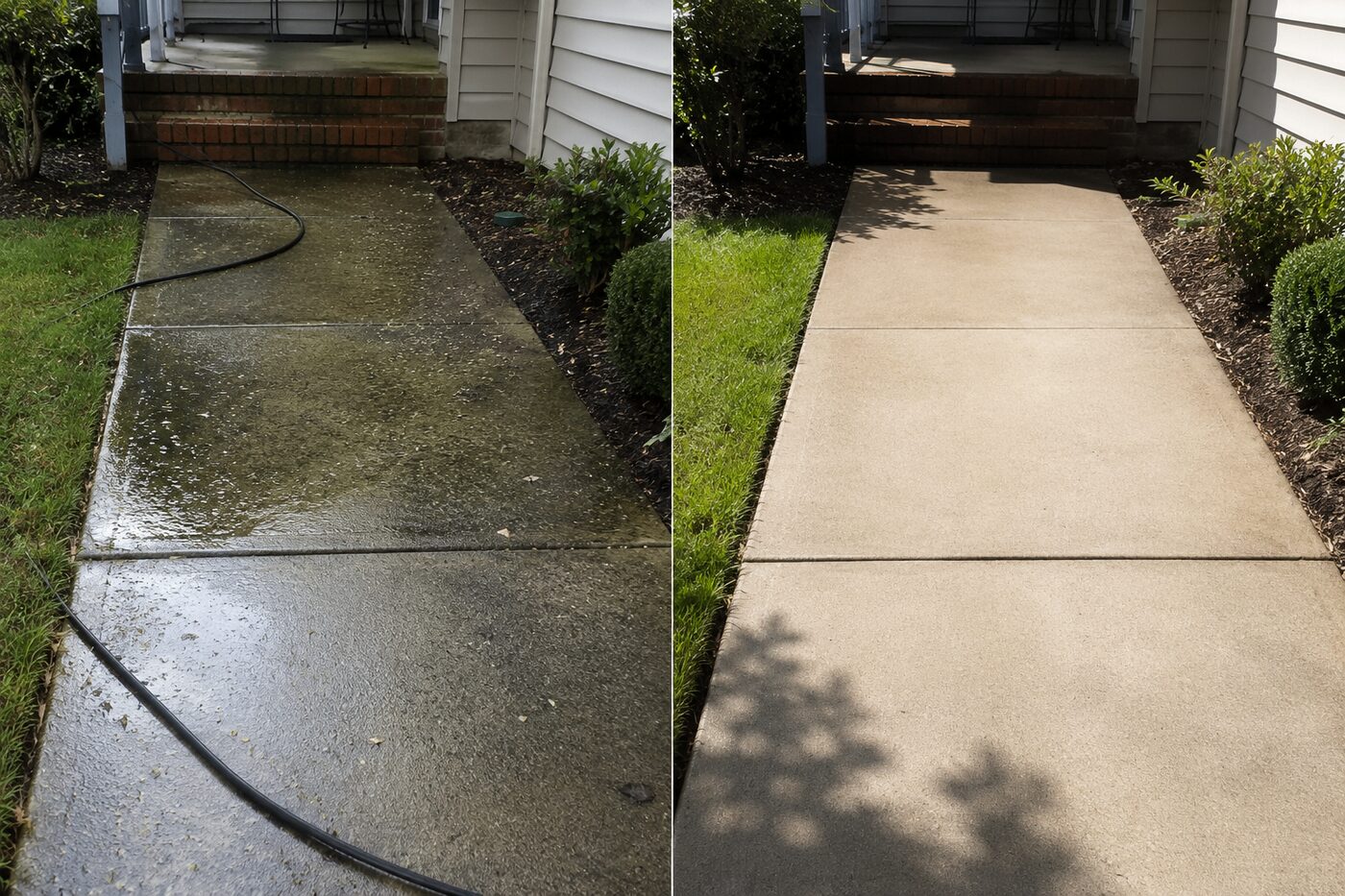
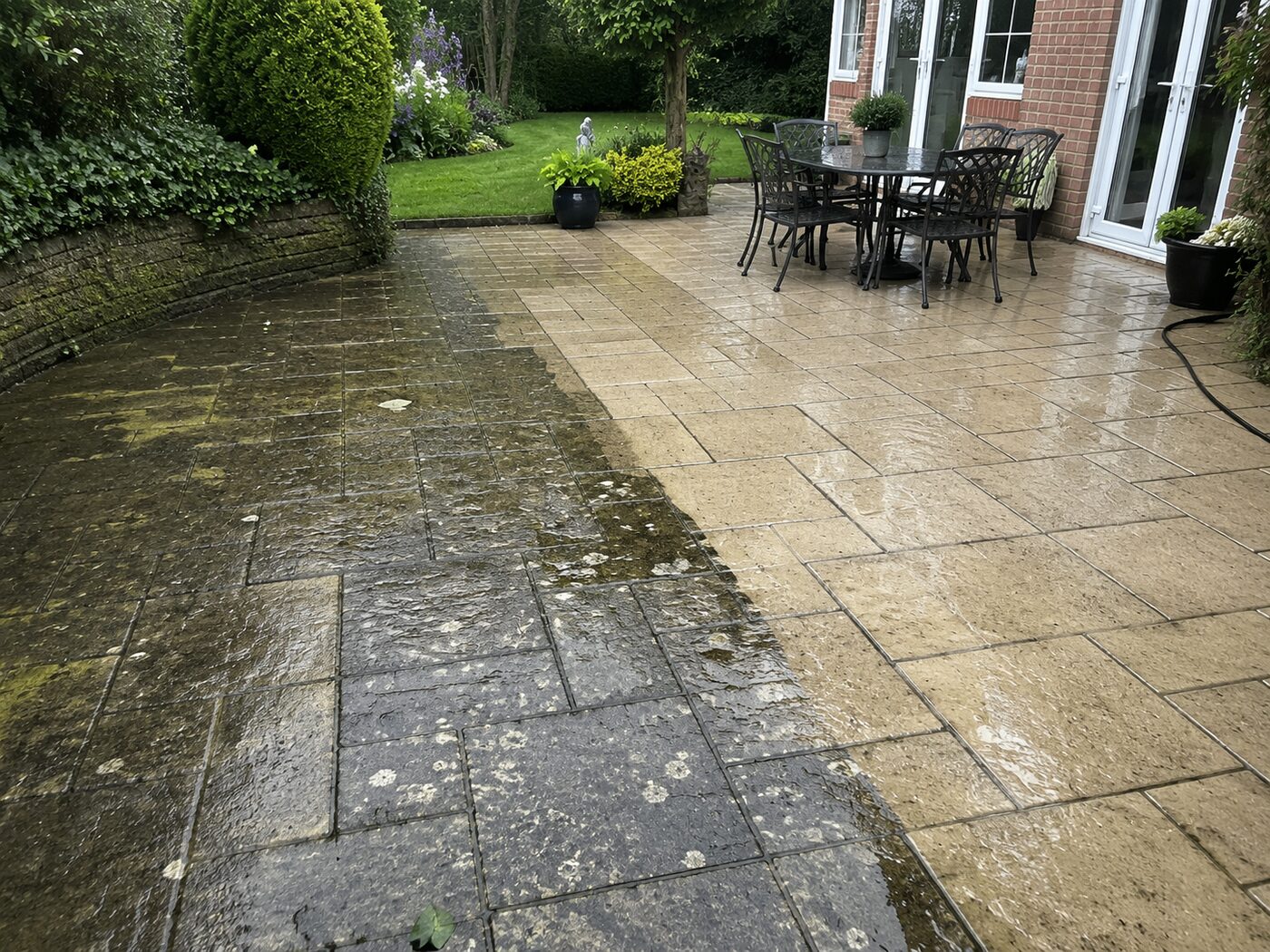
The landscaping crew power-washed our driveway and patio and I could not believe the difference. Looks brand new. Booked them again the same day for hedge work.
Detailed quote, on-time arrival, and the install crew clearly cared about the craft. Our garden bed redesign in Mississauga has gotten compliments from every neighbour.
The landscaper NorthStone matched us with handled a tricky drainage issue along our side yard. Smart solution, clean execution, and zero mess left behind. Genuinely the best contractor experience I've had in Toronto.
The operator behind NorthStone is the kind of business operator you root for — humble, hard-working, and obsessed with doing the job right. Our backyard patio is now our favourite room of the house.
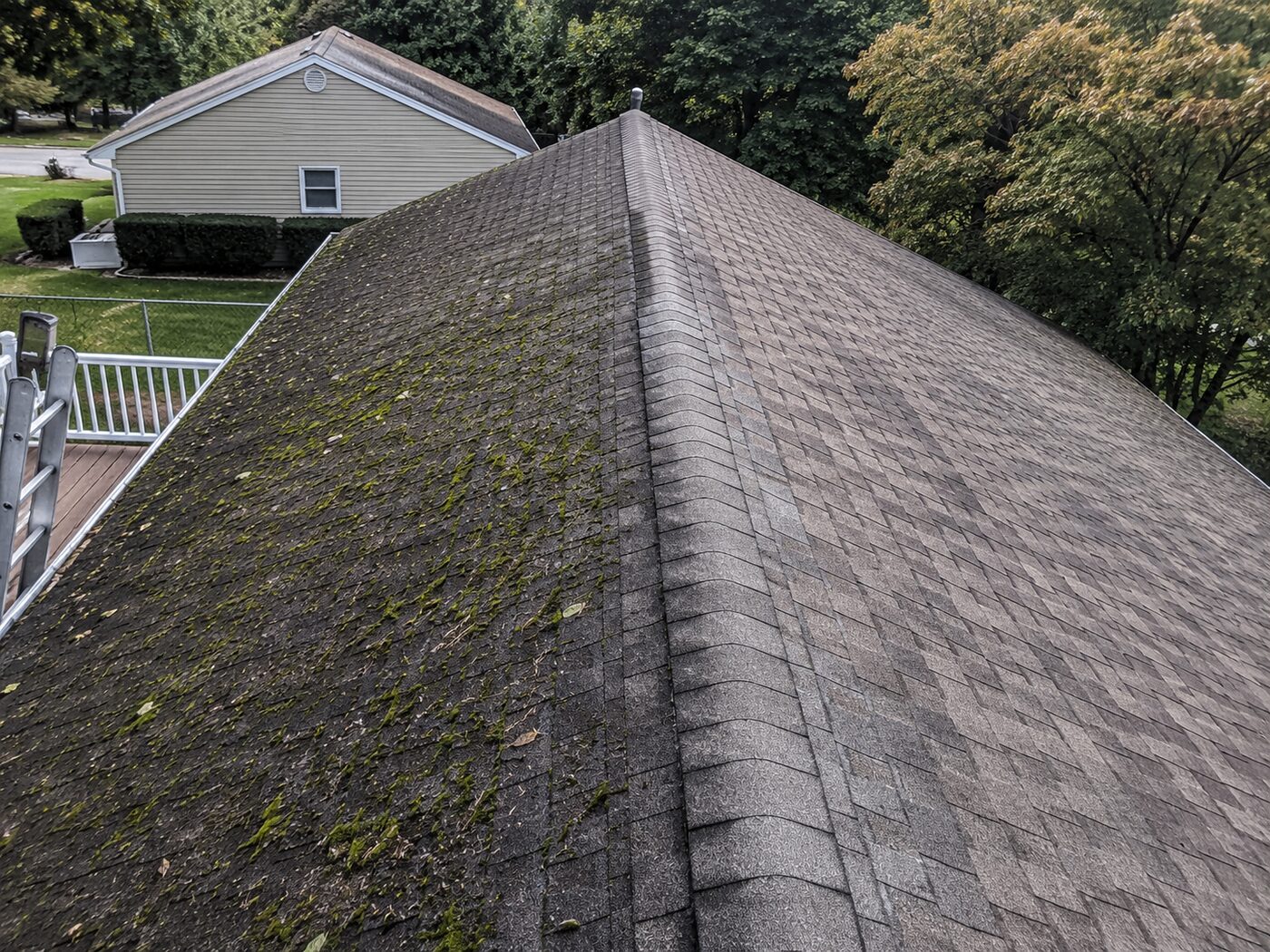
Roof cleaning and a quick fascia repair done in an afternoon. Pricing was straight, no surprises, and the matched crew even pointed out a loose eaves issue I didn't know about. Real pros.
The landscaper NorthStone matched us with transformed our tired North York backyard into something we actually want to spend time in. Honest pricing, sharp eye for detail, and the patio stonework is flawless.
Booked a local pro through NorthStone for hedge trimming and lawn cutting and they exceeded every expectation. Showed up on time, cleaned up better than they found it, and the hedges look architectural.
The landscaping crew's roots show in everything they do — proud, careful, and genuinely kind. They patched my deck, cleaned the roof, and stayed late to make sure it was perfect.
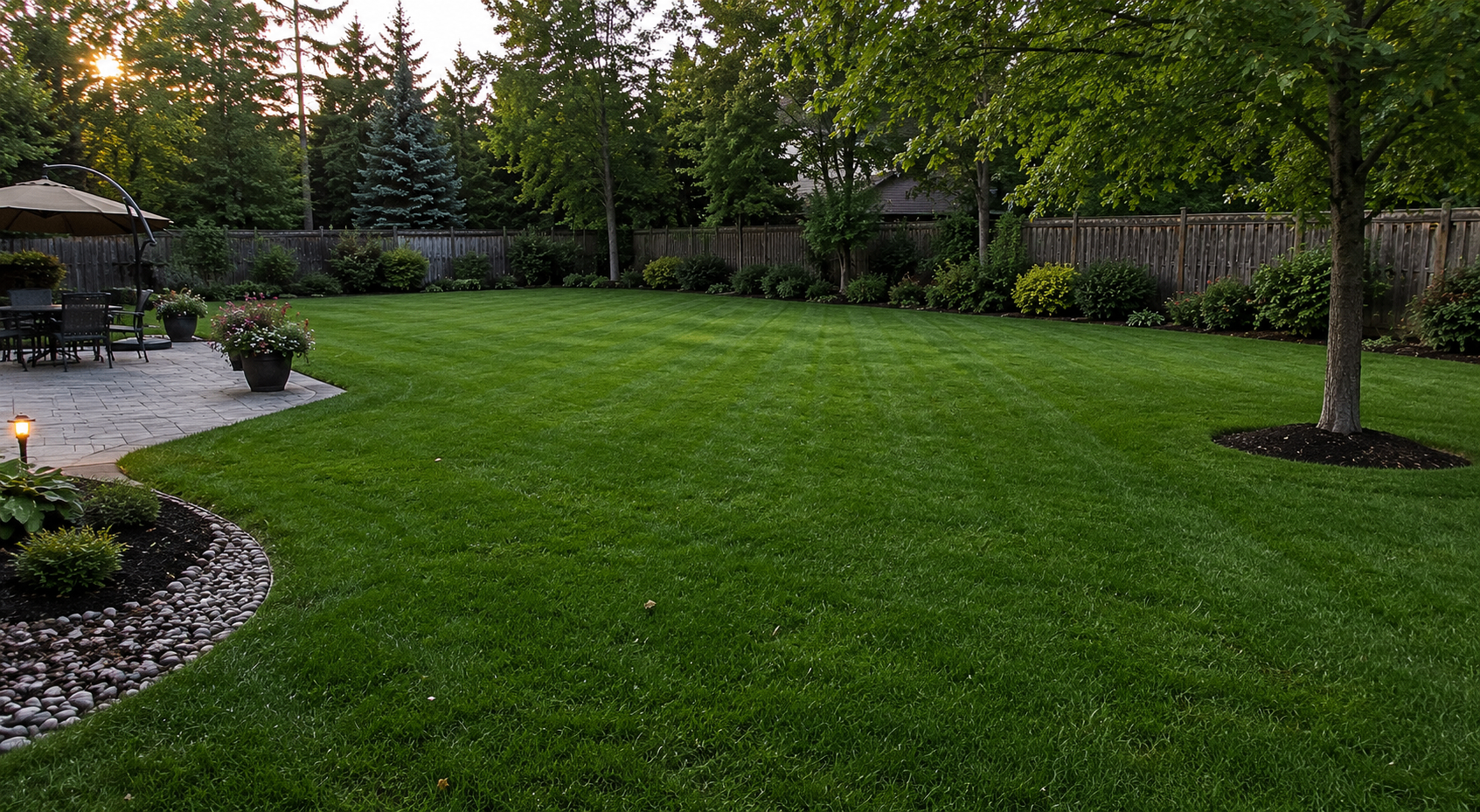
Hired a local landscaping pro through NorthStone for a full spring clean-up in Etobicoke. The lawn looks like a fairway and they took the time to walk me through ongoing care. Best decision we made this year.
Patio cleaning and gutter work — the local pro NorthStone connected us with handled it all in a single visit. Fair quote, no upsell, and they actually called the next day to make sure everything held up.
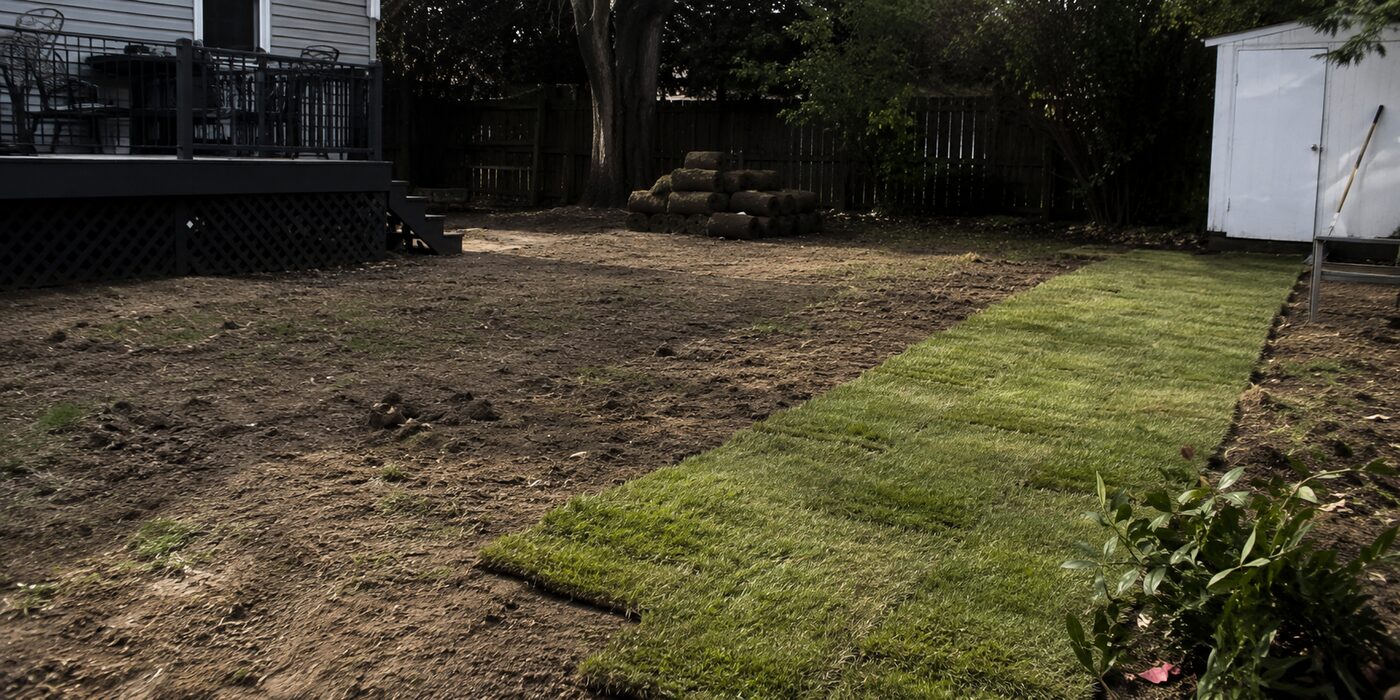
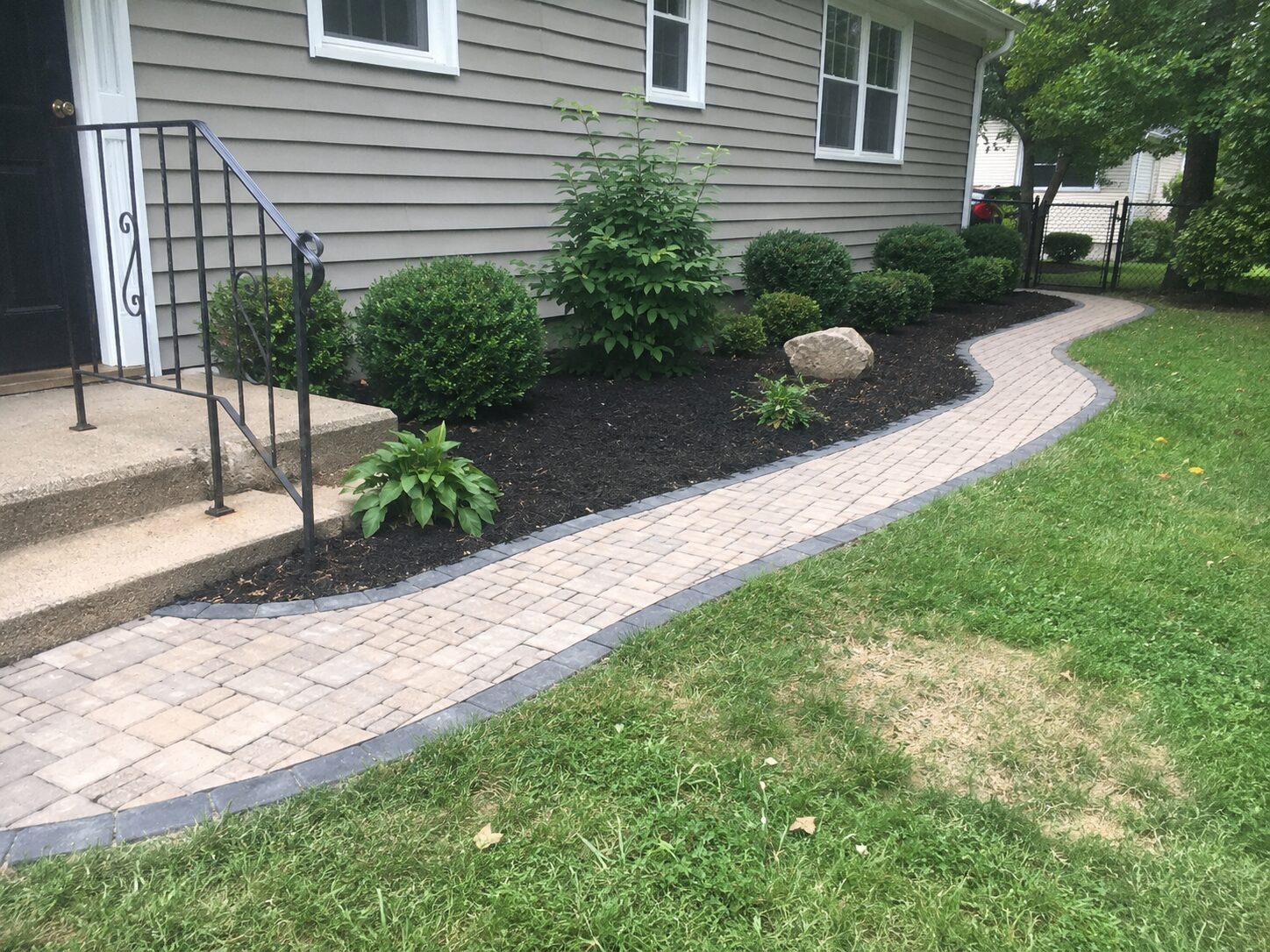
I was nervous hiring online but the NorthStone story sold me, and the work the matched crew delivered sealed it. New sod, fresh mulch, and a tiny stone border that completely changed the front yard.
A snow removal contract turned into year-round service because the landscaping pro NorthStone matched us with is simply that reliable. Communication is fast, crew is respectful, results speak for themselves.
The landscaping crew power-washed our driveway and patio and I could not believe the difference. Looks brand new. Booked them again the same day for hedge work.
Detailed quote, on-time arrival, and the install crew clearly cared about the craft. Our garden bed redesign in Mississauga has gotten compliments from every neighbour.
The landscaper NorthStone matched us with handled a tricky drainage issue along our side yard. Smart solution, clean execution, and zero mess left behind. Genuinely the best contractor experience I've had in Toronto.
The operator behind NorthStone is the kind of business operator you root for — humble, hard-working, and obsessed with doing the job right. Our backyard patio is now our favourite room of the house.
Roof cleaning and a quick fascia repair done in an afternoon. Pricing was straight, no surprises, and the matched crew even pointed out a loose eaves issue I didn't know about. Real pros.
Free quotes. Honest timelines. No pressure.